Ingredient
Cinnamon extract in CogniHoney: What It Is, What the Research Shows and the Safety Flags
Cinnamon extract is the second line in the list given to this site for the sibling pack. The list does not say whether it is cassia or Ceylon, and no amount is printed. Cassia contains coumarin, which carries a liver caution. No source we read links cinnamon to memory.
Written by the CogniHoney label deskUpdated
Ingredient01
What is cinnamon extract in a capsule?
An extract of cinnamon bark, with the species and the plant part left unstated in the list.
Cinnamon is a spice most people know from the kitchen. A capsule extract is something else: a concentrate, made by a process the list does not describe, from a bark that comes from more than one tree. The two that matter for supplements are cassia and Ceylon, and they differ in a way that touches the liver.
The list given to this site for the sibling pack says only "cinnamon extract". NCCIH notes that product labels often do not name the species (NCCIH, Cinnamon), and this list follows that pattern. Until your bottle says otherwise, the species is unknown.
| Name in the list | Cinnamon extract |
|---|---|
| What it is | An extract of cinnamon bark. The list does not say which species (cassia or Ceylon) or which plant part. |
| Amount in CogniHoney | Not printed in any material given to this site; confirm on your bottle |
| Amount used in research | No memory trial was found for a cinnamon extract in a multi-ingredient capsule; NCCIH says diabetes studies are hard to interpret because the species is often unclear. |
| What research found | NCCIH: it is unclear whether cinnamon supplements help diabetes or weight loss, and product labels often do not name the species. No source we read supports a memory claim. |
| Main caution | Cassia cinnamon contains coumarin, and coumarin-liver interactions have been reported; prolonged use of cassia could be an issue for sensitive people such as those with liver disease. Ceylon has only trace coumarin. |
| Medicines to ask about | Ask a provider if you take any medicine, especially if you have liver disease. |
Species, plant part, extraction method, amount and standardization are all absent from the sibling-pack list. Each is a question for the label you hold.
Ingredient02
Does cinnamon extract help memory?
No memory trial of a cinnamon extract in a mixed capsule was found. The main research question for cinnamon is blood sugar, and even there the picture is unclear.
NCCIH says it is unclear whether cinnamon supplements help diabetes (NCCIH, Cinnamon). That is the area where cinnamon has been studied most, and the answer is open. For cognition we found nothing: no trial, no review and no agency statement that supports a claim.
NIA recommends no vitamin or supplement for preventing cognitive decline and says other supplements are untested for cognition and may interact with medicines (NIA, Diet and Prevention of Alzheimer's). Cinnamon falls in that second group. A capsule that combines it with ten other lines would need its own trial to show anything, and none exists for CogniHoney.
Ingredient03
Is it cassia or Ceylon cinnamon?
The list does not say, and the difference matters because cassia contains coumarin and Ceylon has only trace amounts.
| Point | Cassia | Ceylon |
|---|---|---|
| Coumarin | Contains coumarin; liver interactions reported (NCCIH, Cinnamon) | Only trace coumarin (NCCIH, Cinnamon) |
| Who should take care | Sensitive people, such as those with liver disease, with prolonged use | No specific caution named in the sources we read |
| Named on CogniHoney list? | Not stated | Not stated |
| How to find out | Read the bottle; ask the seller | Read the bottle; ask the seller |
Cassia is the more common cinnamon in grocery stores, and the 2010 coumarin review names it as the main dietary source of coumarin (Abraham 2010, coumarin risk). That does not tell us which one is in the capsule. Guessing in either direction would be wrong.
Ingredient04
What amount did studies use?
No cinnamon amount is printed for CogniHoney, and no studied dose applies to a memory goal.
The one number worth knowing is a safety number. A review of coumarin risk derived a tolerable daily intake of 0.1 mg per kg of body weight (Abraham 2010, coumarin risk). As arithmetic only, that is about 6 mg for a person of 60 kg, 7 mg for 70 kg and 9 mg for 90 kg. Heavy cassia consumers can reach the tolerable intake, per the same review.
How much coumarin a capsule adds depends on the species and the amount, and we can see neither. So the figure cannot be turned into a statement about CogniHoney. It is context for a conversation with a pharmacist.
Ingredient05
Is cinnamon extract safe for the liver?
The caution is coumarin from cassia cinnamon and the liver.
NCCIH says interactions between coumarin and the liver have been reported, and that prolonged use of cassia could be an issue for sensitive people such as those with liver disease (NCCIH, Cinnamon). The risk is not universal. The 2010 review describes coumarin as hepatotoxic in a susceptible subgroup (Abraham 2010, coumarin risk), which fits the picture of a few people being affected and most not.
The same list carries green tea extract, which LiverTox rates a well-established cause of clinically apparent liver injury (NIH LiverTox, Green Tea). We found no source on the two together, so we do not claim they add up. They simply share an organ, and that is a reason to tell your doctor if you have any liver condition. The liver safety guide sets out the warning signs.
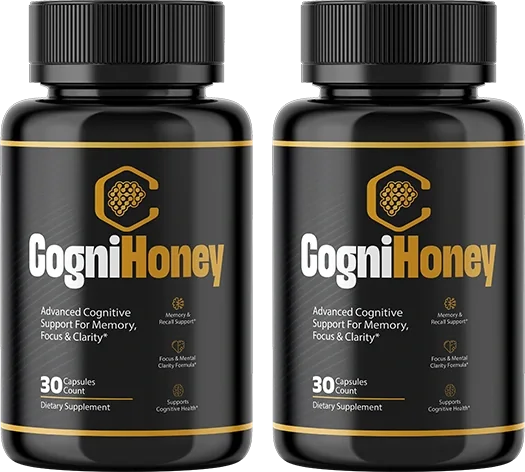
CogniHoney capsules: 30 on the bottle count2, 3 or 6 bottles · 60-day guarantee per seller materials
See packsIngredient06
What are the warning signs?
The signs are the general liver ones, and they call for a same-day clinician visit.
- Pain in the upper abdomen.
- Dark urine.
- Skin or eyes turning yellow.
- Unusual tiredness with nausea.
Stop the capsules, see a clinician, bring the bottle and report the reaction to FDA's MedWatch program. Do not stop any prescribed medicine without asking the prescriber.
Ingredient07
Does it matter with diabetes medicine?
NCCIH says to talk with a provider before use if you take any medicine, and that cinnamon is mainly studied for blood sugar.
Because the research on cinnamon centers on blood sugar, anyone who takes medicine for diabetes should ask whether an added cinnamon extract could affect it. We found no source that quantifies an interaction, so we state none. The point is simply that the conversation belongs with the person who prescribes.
Keep your regular glucose checks and note the start date of any new supplement in the same log. If readings change, the date helps your clinician see why.
Ingredient08
What should you ask your pharmacist or doctor?
- Which cinnamon species is it, and how much?
- Is my liver safe with it, given my history?
- Does it affect my diabetes medicine?
- Should I have liver tests while I take it?
Take the bottle and the ingredient list. See medicine safety for the full set of cautions.
FAQ09
CogniHoney questions people ask
Is it cassia or Ceylon cinnamon?
The list does not say. Ask the seller and read the bottle.
Is cinnamon safe for the liver?
Cassia has coumarin, which NCCIH says can matter for people with liver disease with prolonged use.
Does cinnamon help memory?
We found no trial or agency statement that supports it. The main cinnamon research is about blood sugar.
What is the tolerable intake for coumarin?
A review derived a tolerable intake of 0.1 mg per kg of body weight a day. For 70 kg that is 7 mg.
Why does cinnamon species matter?
Cassia contains coumarin, while Ceylon has only trace amounts, per NCCIH.
Can cinnamon extract affect diabetes medicine?
It is studied for blood sugar, but NCCIH says its effect is unclear. Ask your prescriber before adding it.
What does cinnamon extract mean on a label?
A concentrated preparation of cinnamon bark. The list does not give the species, plant part or amount.
Who wrote this10
Written and reviewed by
Pages built from the label, the seller checkout and linked NIH, FDA, FTC, CDC and peer-reviewed sources.
Last updated . Read our editorial standards and how we check reviews. This website is the information site for a U.S. authorized retailer of CogniHoney. It is not the manufacturer. We earn money when you buy through our order links.
Keep reading
More about CogniHoney
USA Authorized CogniHoney Retailer
Ready to look at CogniHoney?
Read the bottle you receive, check your medicines with a pharmacist (blood thinners, thyroid, statins and diabetes medicines matter here), then pick a pack. The guarantee is 60 days per the seller's materials; confirm the live wording at checkout.
- Checkout on the sales site
- 60-day guarantee (confirm live)
- Ships from the U.S.