Surgery and bleeding
Supplements, Surgery and Bleeding: What to Tell Your Surgical Team
Tell your surgeon, anesthesiologist and pharmacist about every supplement, as early as possible. NCCIH says some supplements raise bleeding risk or change the response to anesthesia, and that ginkgo may raise bleeding risk in people taking anticoagulants such as warfarin. Do not decide on your own when to stop; ask your team.
Written by the CogniHoney label deskUpdated
Surgery and bleeding01
Why do supplements matter before surgery?
Because bleeding and anesthesia are the two places where a supplement can change an operation.
NCCIH says some supplements raise bleeding risk or change the response to anesthesia, and asks people to tell their team as early as possible (NCCIH, Using Dietary Supplements Wisely). FDA says some supplements can interact with medicines, affect lab tests or cause problems during surgery (FDA 101: Dietary Supplements). NIH ODS adds that doctors, dentists and pharmacists should all hear about every supplement (NIH ODS, What You Need to Know).
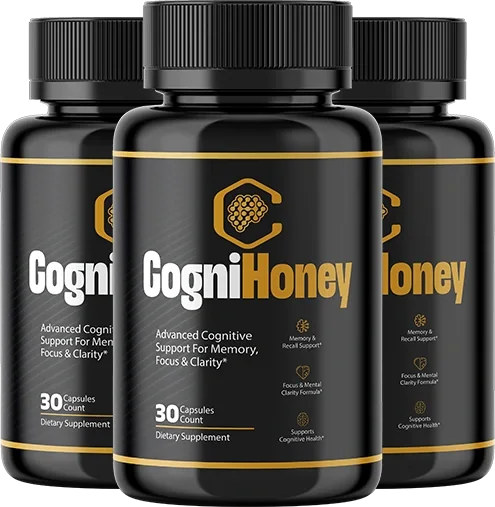
The reason is simple. A surgical team plans around what is in your blood and what drugs you will receive. A product they have not heard about is a variable they cannot plan for. Ginkgo is named in the list given to this site for the sibling pack, so CogniHoney belongs on that list.
Surgery and bleeding02
What does NCCIH say about ginkgo and bleeding?
Ginkgo may raise bleeding risk in people taking anticoagulants such as warfarin.
NCCIH also says ginkgo may interact with other medicines, that common effects include dizziness, stomach problems and headache, and that it is possibly unsafe in pregnancy (NCCIH, Ginkgo). The Cochrane review of 36 trials found no excess adverse events against placebo in pooled data (Birks 2009, Cochrane ginkgo), which is a reminder that a risk can be real for specific combinations while not showing up in every group.
The CogniHoney list names "ginkgo biloba powder" with no amount. Trials used a standardized extract, and a plain powder is a different material, so nobody can say how a capsule compares. See the ginkgo profile for the research detail.
Surgery and bleeding03
What do you tell the surgical team?
| What to give | Why it helps |
|---|---|
| Product name and ingredient list | Lets the team look up each line, such as ginkgo, instead of guessing |
| Dose and timing | Two capsules daily is the sibling-pack wording; say what you actually take |
| Start date and last dose | Some effects fade slowly, so timing matters |
| Blood thinner or aspirin use | Combinations are where the bleeding flag matters most |
| Other supplements and herbs | Risks can stack when many products are combined (NIH ODS, What You Need to Know) |
| Anything you stopped recently | A recent stop still matters to the plan |
Take the bottle, or a photo of its label. The ingredient list we hold is unconfirmed, so the label you hold is better evidence than our page.
Surgery and bleeding04
When do you stop?
Ask your surgical team. We cannot give a date, and no one on this site can.
Teams set their own rules by procedure, drug and your health. A number found online may be wrong for you. What helps is asking early enough that the team has choices, since NCCIH stresses telling them as early as possible (NCCIH, Using Dietary Supplements Wisely).
Do not stop a prescribed medicine, such as a blood thinner, to make room for a supplement decision. Only the prescriber should change that, and a supplement is never a reason to alter a prescription.
Surgery and bleeding05
Do the other CogniHoney lines matter?
Ginkgo is the bleeding flag, but the whole list belongs on the sheet.
We found no source that links the other ten lines to bleeding or anesthesia, which is not the same as saying they have none. Green tea extract can lower blood levels of atorvastatin and nadolol (NCCIH, Green Tea). Bacopa may interact with thyroid, anticholinergic and cholinergic medicines (StatPearls, Bacopa monnieri). A surgical team and a pharmacist can weigh these against what you will be given.
Giving them the full list, instead of the one ingredient you think matters, lets them decide. That is their job and not yours.
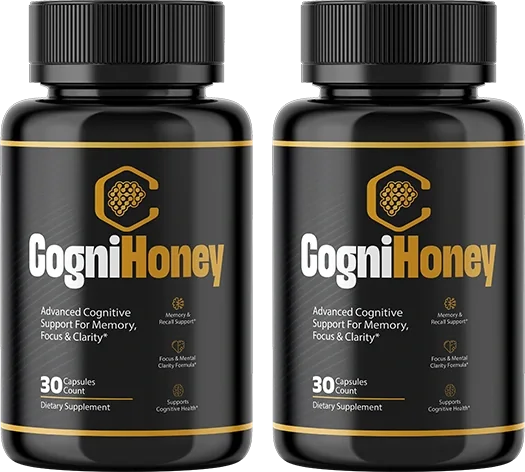
CogniHoney capsules: 30 on the bottle count2, 3 or 6 bottles · 60-day guarantee per seller materials
See packsSurgery and bleeding06
What is a sensible timeline for raising it?
Mention supplements the first time surgery is discussed, then again at pre-operative check-in.
Because NCCIH asks for notice as early as possible (NCCIH, Using Dietary Supplements Wisely), the best moment is the consult where the operation is booked, not the morning of the procedure. A second mention at the pre-operative visit catches anything started or stopped in between. A third, at admission, costs one sentence and often triggers a final check by the nurse or the anesthesiologist.
For CogniHoney specifically: at two capsules a day, a 30-capsule bottle lasts 15 days, so many people will start and finish bottles within the weeks before an operation. Write dates on the bottle or in the log so you can answer the question "when was your last dose?" without guessing.
Surgery and bleeding07
What about the medicines you already take?
Give the team the prescription list and the supplement list together.
Bleeding risk and anesthesia depend on the whole picture. A blood thinner, aspirin or an anti-inflammatory pill changes how much a ginkgo flag matters, and the team cannot judge that if one list is missing. Pharmacists often hold the best single record of what you actually pick up, so a quick call to the pharmacy before the pre-operative visit is time well spent.
Surgery and bleeding08
Does this apply to dental work and small procedures?
Yes. ODS asks you to tell dentists as well as doctors and pharmacists.
Small procedures can still involve bleeding, local anesthetic or sedation. Mention the supplement list at any appointment where something will be cut, drilled or injected. A quick sentence at check-in costs nothing, and the same goes for a skin procedure, a colonoscopy or an eye operation.
Surgery and bleeding09
What are the bleeding warning signs?
Unusual bruising, nosebleeds, blood in urine or stool, or heavy bleeding.
- Bleeding or bruisingUnusual bruising, nosebleeds, blood in urine or stool, or heavy bleeding. Stop the capsules and call your doctor; ginkgo is named in the list.
- Stomach upset, dizziness, headacheThe usual complaints named for ginkgo and bacopa. Stop and ask your pharmacist if they continue.
- Liver warning signsAbdominal pain, dark urine, or yellowing of the skin or eyes. Stop and see a clinician the same day (green tea extract, cassia cinnamon).
- Allergic reactionHives, swelling of the lips or face, or wheezing. Stop and get help.
- Call 911, do not driveFace drooping, arm weakness, slurred speech, sudden confusion, sudden vision loss, a sudden severe headache, or chest pain: call 911 right away.
Stroke signs: CDC (CDC, Stroke Signs and Symptoms). Liver signs: USP caution on green tea extract (USP 2020, green tea extract review). This list is not complete, and a supplement is never a reason to wait.
FAQ10
CogniHoney questions people ask
Should I stop CogniHoney before surgery?
Ask your surgical team. Tell them it lists ginkgo and give them the bottle.
Can ginkgo cause bleeding?
NCCIH says it may raise bleeding risk in people taking anticoagulants such as warfarin.
Who do I tell about supplements before an operation?
Your surgeon, anesthesiologist and pharmacist, and your dentist for dental work.
How early should I tell my surgical team?
As early as possible, according to NCCIH, so they have time to plan.
Do supplements affect anesthesia?
NCCIH says some supplements change the response to anesthesia. Tell the anesthesiologist about every one you take.
Is a plain ginkgo powder the same as the trial extract?
No. Trials used a standardized extract, so their results should not be read across to a plain powder.
What if I take a blood thinner and want a memory capsule?
Ask the prescriber or pharmacist first. Do not change the blood thinner yourself.
Where do I report a bad reaction?
Through FDA's MedWatch program, and tell your doctor.
Who wrote this11
Written and reviewed by
Pages built from the label, the seller checkout and linked NIH, FDA, FTC, CDC and peer-reviewed sources.
Last updated . Read our editorial standards and how we check reviews. This website is the information site for a U.S. authorized retailer of CogniHoney. It is not the manufacturer. We earn money when you buy through our order links.
Keep reading
More about CogniHoney
USA Authorized CogniHoney Retailer
Ready to look at CogniHoney?
Read the bottle you receive, check your medicines with a pharmacist (blood thinners, thyroid, statins and diabetes medicines matter here), then pick a pack. The guarantee is 60 days per the seller's materials; confirm the live wording at checkout.
- Checkout on the sales site
- 60-day guarantee (confirm live)
- Ships from the U.S.