Ingredient
AGP choline in CogniHoney: What It Is, What the Research Shows and the Safety Flags
AGP choline is the third line in the list given to this site for the sibling pack. We read it as alpha-GPC, a form of choline; confirm the name on your bottle. Evidence for memory is thin, no amount is printed, and one large cohort linked alpha-GPC to a higher stroke risk.
Written by the CogniHoney label deskUpdated
Ingredient01
What does AGP choline mean?
We read AGP as alpha-glycerylphosphorylcholine, or alpha-GPC, a form of choline.
Choline is a nutrient the body uses, and it can be taken in several forms. The list given to this site for the sibling pack says only "AGP choline". The reading as alpha-GPC is ours, made from the abbreviation, and it needs confirming on the bottle before anyone relies on it.
ODS, the NIH office that publishes the standard choline fact sheet, does not discuss alpha-GPC by name (NIH ODS, Choline). That matters for how far its numbers stretch. They describe choline in general, and nothing in them tells us how a particular capsule compares.
| Name in the list | AGP choline |
|---|---|
| What it is | AGP is read here as alpha-glycerylphosphorylcholine (alpha-GPC), a form of choline. The list says only 'AGP choline'; confirm the exact name on the bottle. |
| Amount in CogniHoney | Not printed in any material given to this site; confirm on your bottle |
| Amount used in research | ODS adequate intake for choline from all sources is 550 mg a day for men and 425 mg for women, with an upper level of 3,500 mg. No dose of alpha-GPC is printed for this product. |
| What research found | ODS: little research supports choline slowing dementia, and a 2015 review found choline supplements did not clearly improve cognition in healthy adults. A large Korean cohort linked alpha-GPC prescriptions to a higher 10-year stroke risk; a mouse study linked it to atherosclerosis through TMAO. |
| Main caution | Observational stroke association and mouse data are signals, not proof of harm from this capsule. People with stroke, heart disease or stroke risk factors should ask a doctor first. High choline intake can cause fishy odor, sweating, low blood pressure and, at high levels, liver toxicity (ODS). |
| Medicines to ask about | Ask a doctor or pharmacist first if you have had a stroke, TIA or heart disease, or take blood-pressure medicine. |
The abbreviation is ours to interpret and the label's to confirm. If your bottle names a different choline compound, the alpha-GPC findings below may not apply to it.
Ingredient02
Does AGP choline help memory?
The evidence is thin. ODS says little research supports choline slowing dementia, and a 2015 review found choline supplements did not clearly improve cognition in healthy adults.
Both statements come from the ODS choline fact sheet (NIH ODS, Choline). They concern choline supplements in general and do not single out alpha-GPC. We found no placebo-controlled trial of alpha-GPC in a mixed capsule, and none of CogniHoney.
NIA, for its part, recommends no vitamin or supplement for preventing Alzheimer's or cognitive decline (NIA, Cognitive Health and Older Adults). A choline form is covered by that sentence like any other.
What exists beyond trials is the safety signal in the next sections. A reader weighing the capsule is therefore comparing an unproven upside with a possible downside, and the honest summary is that neither is settled.
Ingredient03
What amount did studies use?
No amount is printed for CogniHoney. For context, ODS gives intakes for choline from all sources.
| Group | Adequate intake | Upper level |
|---|---|---|
| Adult men | 550 mg a day | 3,500 mg a day |
| Adult women | 425 mg a day | 3,500 mg a day |
| CogniHoney capsule | Not printed | Not printed |
These figures count choline from food and supplements together (NIH ODS, Choline). The space between the adequate intake and the upper level is wide, and where a capsule falls in it depends on a number we do not have. The amount of choline in a capsule, and how much of it alpha-GPC contributes, is not stated, so we cannot place the product against those figures.
Ingredient04
What is the stroke signal?
In a large Korean insurance cohort, alpha-GPC users had a higher 10-year stroke risk.
The cohort covered adults aged 50 or older without prior stroke or Alzheimer's. After matching, users had an adjusted hazard ratio of 1.43 for total stroke, in a dose-response pattern (Lee 2021, alpha-GPC and stroke). A second line of evidence is a mouse study in which GPC promoted atherosclerosis through gut-bacteria production of TMAO (Mouse study, GPC and atherosclerosis).
Both need careful reading. The cohort is observational: it shows association, not proof that alpha-GPC caused strokes, and users were older and prescribed the product. The mouse study shows a possible mechanism in mice, not an effect in people. Together they are a signal worth asking about. The choline guide goes through both in detail.
Ingredient05
Is AGP choline safe?
For most people at moderate intakes, probably; the flags are specific to stroke risk and high intakes.
ODS lists fishy body odor, sweating, vomiting, low blood pressure and liver toxicity at high choline intakes, and notes that high intakes raise TMAO (NIH ODS, Choline). These are effects of high intakes. Whether a CogniHoney capsule gets near them, nobody can say without the amount.
People with a past stroke or TIA, heart disease or stroke risk factors should ask a doctor first. Stroke signs, such as sudden face drooping, arm weakness or speech trouble, call for 911 (CDC, Stroke Signs and Symptoms).
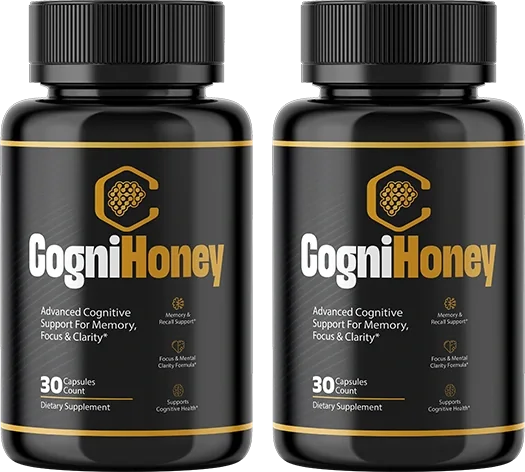
CogniHoney capsules: 30 on the bottle count2, 3 or 6 bottles · 60-day guarantee per seller materials
See packsIngredient06
Who should ask first?
Anyone for whom a stroke or a low blood pressure would be a serious matter.
Past stroke or TIA
The cohort excluded people with a prior stroke, so it tells us nothing about them. A doctor should decide.
Heart disease
The mouse study points at atherosclerosis. Ask your cardiologist or pharmacist about the whole list.
Blood-pressure medicine
High choline intake is linked to low blood pressure. Ask whether the capsules could add to a medicine you take.
Ingredient07
What cannot be read from the list?
The compound, the amount and the source.
"AGP choline" could be a precise ingredient or an abbreviation for a family of them. The list prints no milligrams and no percentage for this line, unlike bacopa, lutein, zeaxanthin and green tea extract, which carry a bracketed percentage without saying what it measures. The 30 versus 60 capsule count is also unconfirmed: the render prints 30, so check your bottle. At two capsules a day, 30 capsules last 15 days.
Ingredient08
What should you ask your pharmacist or doctor?
- Is it alpha-GPC, and how many mg?
- I have had a stroke or TIA, or have heart disease. Is this wise?
- Does it add to my blood-pressure medicine?
- How much choline do I already get from food and other products?
Bring the bottle, and see medicine safety.
FAQ09
CogniHoney questions people ask
What does AGP stand for?
We read it as alpha-glycerylphosphorylcholine (alpha-GPC). Confirm on the bottle.
Does choline improve memory?
A 2015 review found choline supplements did not clearly improve cognition in healthy adults.
Is there a stroke warning on alpha-GPC?
One large cohort found a higher stroke risk in users. It is observational and does not prove cause.
How much choline do adults need?
ODS gives an adequate intake of 550 mg a day for men and 425 mg for women, from all sources.
What is the upper level for choline?
ODS sets 3,500 mg a day. High intakes are linked to fishy odor, sweating and low blood pressure.
How does choline relate to TMAO?
TMAO is a compound that gut bacteria make from choline-containing substances. High choline intakes raise it, per ODS.
Should I take CogniHoney after a stroke?
Ask your doctor first. The cohort excluded people with a prior stroke, so it cannot guide you.
Who wrote this10
Written and reviewed by
Pages built from the label, the seller checkout and linked NIH, FDA, FTC, CDC and peer-reviewed sources.
Last updated . Read our editorial standards and how we check reviews. This website is the information site for a U.S. authorized retailer of CogniHoney. It is not the manufacturer. We earn money when you buy through our order links.
Keep reading
More about CogniHoney
USA Authorized CogniHoney Retailer
Ready to look at CogniHoney?
Read the bottle you receive, check your medicines with a pharmacist (blood thinners, thyroid, statins and diabetes medicines matter here), then pick a pack. The guarantee is 60 days per the seller's materials; confirm the live wording at checkout.
- Checkout on the sales site
- 60-day guarantee (confirm live)
- Ships from the U.S.