Guides
Guides: Plain Reading on Memory Supplements and Safety
Eight short guides sit behind the CogniHoney pages: when memory loss needs a doctor, stroke signs, whether memory supplements work, surgery and bleeding, habits to check first, scam warning signs, the choline stroke signal and liver safety.
Written by the CogniHoney label deskUpdated
Guides01
Which guides does CogniHoney publish?
Eight, each built around one worry a careful buyer or family member brings to a memory supplement.
The product pages describe a label we can only partly see. These guides cover what sits around it: the health questions, the medicine questions and the shopping questions. Each one stands alone, so you can read only the one you need.
Memory red flags: when to see a doctor
Ten early signs, treatable causes and how to prepare for a visit. Memory trouble that disrupts daily life belongs with a doctor first.
Stroke signs and 911
Balance, eyes, face, arms, speech, time. What to do in the first minutes, and why a passing symptom still counts.
Do memory supplements work?
What NIA, the large ginkgo trial, the bacopa reviews and the B vitamin reviews found, set against a capsule no one has tested.
Surgery, bleeding and herbs
Why ginkgo and bleeding risk matter before an operation, and the list your surgical team needs from you.
Brain health habits
Medicines, B12, sleep, mood, alcohol and thyroid: the checks that come before any capsule.
Memory supplement scam red flags
A checklist for any memory supplement page, applied honestly to this one.
Choline, heart and stroke
What one large cohort and one mouse study found about alpha-GPC, and what neither can prove.
Cassia cinnamon and green tea: liver safety
Why green tea extract and cassia cinnamon each carry a liver caution, and the signs that mean stop.
Guides02
How should you use these guides?
Pick the guide that matches your worry, read it with a pen in hand, and take the written questions to a pharmacist or doctor.
Each guide ends in questions you can ask a person who knows your history. That is deliberate. A web page cannot see your medicine list, your liver tests or your family doctor's notes, and it should not pretend to. What a guide can do is shorten the visit by helping you arrive with the right facts.
The guides share a few habits. They quote the most a public source says and stop there. They say so when a source is silent. They treat NIA, CDC, FDA, FTC, NCCIH and the NIH Office of Dietary Supplements as the ceiling for plain claims, and they link peer-reviewed trials when a number matters. None of them is medical advice, and none tells anyone to stop a prescribed medicine.
Reading order is up to you. Someone worried about a parent will want the memory guide first. Someone with an operation on the calendar will want the surgery guide first. A shopper comparing bottles can begin with the scam checklist and the trial summary.
Guides03
Which guide fits your situation?
| Your situation | Start with | First thing to look for |
|---|---|---|
| You or a relative forget things more than before | Memory red flags | Whether forgetting disrupts daily life |
| Sudden weakness, speech trouble or confusion | Stroke signs | Call 911 first, read later |
| You wonder if any memory capsule is worth buying | Do memory supplements work? | What trials tested, and at what dose |
| An operation or dental procedure is planned | Surgery and bleeding | Ginkgo and blood thinners |
| You want to act before buying anything | Brain health habits | Medicines, B12, sleep, mood |
| A page promises too much | Scam red flags | Fake reviews, missing label, pressure |
| You have had a stroke or have heart disease | Choline and stroke | Alpha-GPC in the ingredient list |
| You have a liver condition or take a statin | Liver safety | Green tea extract and cassia cinnamon |
Guides04
Where do the guides get their facts?
From public health agencies and published studies, not from the seller.
FDA does not approve dietary supplements for safety and effectiveness before sale (FDA 101: Dietary Supplements). That single fact is why a buyer has to read around the product. The guides lean on sources that sit outside the sales process: NIA on cognitive health (NIA, Diet and Prevention of Alzheimer's), CDC on stroke (CDC, Stroke Signs and Symptoms), and the Mayo Clinic on the treatable causes of memory loss (Mayo Clinic, Memory Loss).
When a guide gives a number, such as a trial dose or a hazard ratio, it names the study and says it belongs to that study. Those figures are other people's results. They are never the amount in a CogniHoney capsule, because no milligram amount appears in any material given to this site.
Gaps are stated too. No trial has tested CogniHoney. No source we read says honey, pink salt, bilberry leaf or cinnamon helps memory. No guideline supports any supplement for memory. Where a guide would otherwise have to guess, it says that nothing was found.
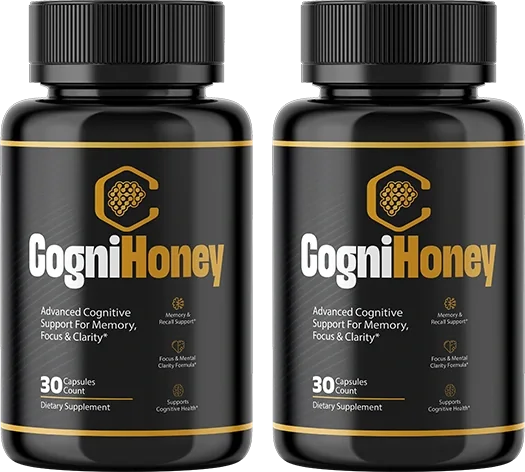
CogniHoney capsules: 30 on the bottle count2, 3 or 6 bottles · 60-day guarantee per seller materials
See packsGuides05
What do the guides not do?
They do not diagnose, they do not rank products, and they do not tell you what to take. They also do not replace the label on the bottle you receive.
- They cannot confirm the ingredient list. The names come from the list given to this site for a sibling pack, so confirm them on your bottle.
- They cannot tell you an amount. No milligram figure for any CogniHoney line exists in our materials.
- They cannot settle the 30 versus 60 capsule question. The bottle render prints 30; check the count on yours.
- They cannot predict a reaction. Ask a pharmacist who knows your medicine list.
Guides06
How do the guides connect to the product pages?
The guides cover the safety questions; the product pages cover the label questions.
Start with the ingredient overview for the eleven named lines, then what the label shows for the gap between a bottle render and a Supplement Facts panel. Studied doses lines up the amounts used in trials, and medicine safety collects the interaction cautions in one place. How to use gives the sibling-pack wording of two capsules a day with water before the largest meal, which is only to be confirmed on the bottle. At two a day, a 30-capsule bottle lasts 15 days.
Each ingredient has its own profile as well, from ginkgo to green tea extract. The guides link to those profiles where a specific line is the subject.
Guides07
When should you stop reading and act?
Sudden face drooping, arm weakness, speech trouble, confusion, vision loss, a severe headache or chest pain call for 911. Memory loss that disrupts daily life needs a doctor visit, not a capsule. Keep taking prescribed medicine as directed.
Reading is for the calm moments around a decision. The first minutes of an emergency are for the phone.
FAQ08
CogniHoney questions people ask
What are the CogniHoney guides?
They are eight plain-language articles on memory supplement safety: red flags, stroke signs, evidence, surgery, habits, scam warning signs, choline and liver safety.
Are the guides medical advice?
No. They summarize public sources and end with questions for your doctor or pharmacist. They never tell anyone to stop a prescribed medicine.
Which guide should I read first?
Read the one that matches your worry. For forgetting, start with memory red flags. For an operation, start with surgery and bleeding.
Do the guides recommend CogniHoney?
No. They explain what is known and unknown. No study has tested CogniHoney, and the guides say so wherever it matters.
Who writes the guides?
The CogniHoney label desk writes them from public sources. A medical reviewer line is a fill-in slot until a named reviewer is confirmed.
Do the guides cite the seller's materials?
Only for label facts, and those are marked as unconfirmed. Health statements rest on agencies such as NIA, CDC, FDA and NCCIH.
How often are the guides updated?
When a cited source changes or the product facts change. Each page shows its update date.
Who wrote this09
Written and reviewed by
Pages built from the label, the seller checkout and linked NIH, FDA, FTC, CDC and peer-reviewed sources.
Last updated . Read our editorial standards and how we check reviews. This website is the information site for a U.S. authorized retailer of CogniHoney. It is not the manufacturer. We earn money when you buy through our order links.
Keep reading
More about CogniHoney
USA Authorized CogniHoney Retailer
Ready to look at CogniHoney?
Read the bottle you receive, check your medicines with a pharmacist (blood thinners, thyroid, statins and diabetes medicines matter here), then pick a pack. The guarantee is 60 days per the seller's materials; confirm the live wording at checkout.
- Checkout on the sales site
- 60-day guarantee (confirm live)
- Ships from the U.S.