Ingredient
Ginkgo biloba powder in CogniHoney: What It Is, What the Research Shows and the Safety Flags
Ginkgo biloba powder is the eighth line in the list given to this site for the sibling pack. The best test, the GEM trial, found it did not reduce dementia. The main flag is bleeding risk with anticoagulants. No amount is printed, and a plain powder is not the extract used in trials.
Written by the CogniHoney label deskUpdated
Ingredient01
What is ginkgo biloba powder?
Powder from the leaf of the ginkgo tree. Research trials use a standardized leaf extract, not a plain powder.
Ginkgo is among the best-known plants in memory marketing, which is partly why it has been tested so widely. That testing is the useful thing about it. Unlike several other lines, ginkgo has large, long, placebo-controlled trials behind it, so the question of whether it works has an answer.
The list given to this site says "ginkgo biloba powder" and prints no amount. The distinction between powder and extract is the first thing to settle. Standardized extracts are processed to a set content of active compounds. A powder is the leaf ground fine. The trials used the first, and the list names the second.
| Name in the list | Ginkgo biloba powder |
|---|---|
| What it is | Powder from the leaf of the ginkgo tree. Research trials use a standardized leaf extract, not a plain powder. |
| Amount in CogniHoney | Not printed in any material given to this site; confirm on your bottle |
| Amount used in research | GEM trial: 120 mg of extract twice a day for a median of 6.1 years in adults 75 or older. No amount is printed for this product. |
| What research found | GEM (3,069 adults aged 75 or older): no reduction in dementia, and no effect on progression from mild cognitive impairment. Cochrane: evidence of predictable, clinically significant benefit is inconsistent and unreliable. NCCIH: not shown to prevent or slow dementia. |
| Main caution | Common effects: dizziness, stomach problems, headache. Unsafe in pregnancy per NCCIH. Fresh seeds are toxic. |
| Medicines to ask about | May raise bleeding risk with anticoagulants such as warfarin (NCCIH); tell your surgical team before any operation. |
If your bottle says ginkgo extract, with a percentage, it is closer to the trial material. If it says powder, the trial results are a looser fit still.
Ingredient02
Does ginkgo help memory?
The best test says it does not prevent dementia.
The GEM trial gave 3,069 volunteers aged 75 or older 120 mg of ginkgo extract twice a day or placebo, with a median follow-up of 6.1 years. The dementia hazard ratio was 1.12 (95% CI 0.94 to 1.33), and there was no effect on progression from mild cognitive impairment (DeKosky 2008, GEM trial). A ratio above 1 with an interval crossing 1 means no benefit and no clear harm either.
A Cochrane review of 36 trials, most small and short, found results for cognition, daily living and mood inconsistent, and called the evidence of predictable, clinically significant benefit inconsistent and unreliable (Birks 2009, Cochrane ginkgo). NCCIH says ginkgo has not been shown to prevent or slow dementia, and that for healthy people it is uncertain whether it influences cognitive performance (NCCIH, Ginkgo).
Ingredient03
How do the three ginkgo sources line up?
| Source | Design | Finding |
|---|---|---|
| GEM trial (DeKosky 2008) | 3,069 adults aged 75 or older; 120 mg extract twice a day; median 6.1 years | No reduction in dementia; no effect on progression from MCI |
| Cochrane review (Birks 2009) | 36 trials, most small and short | Cognition, daily living and mood results inconsistent; no excess adverse events in pooled data |
| NCCIH summary | Overview of research | Not shown to prevent or slow dementia; much research low quality |
Sources: (DeKosky 2008, GEM trial), (Birks 2009, Cochrane ginkgo) and (NCCIH, Ginkgo). The three agree, and the agreement is the finding.
Ingredient04
What amount did studies use?
The GEM trial used 120 mg of a standardized extract twice a day.
That is 240 mg of extract a day for about six years (DeKosky 2008, GEM trial). The list says "ginkgo biloba powder" and prints no amount. A plain leaf powder is not the standardized extract used in trials, so trial results should not be read across to it, in either direction: not as proof it works, and not as proof it does not.
At the sibling-pack dose of two capsules a day, a 30-capsule bottle lasts 15 days. To spend as long on it as GEM did would take about 148 bottles. The sum makes the point that a short course of any capsule is a different thing from a six-year trial.
Ingredient05
Is ginkgo safe?
The main flag is bleeding.
NCCIH says ginkgo may raise bleeding risk in people taking anticoagulants such as warfarin and may interact with other medicines. Common effects are dizziness, stomach problems and headache. It is possibly unsafe in pregnancy, and fresh seeds are toxic (NCCIH, Ginkgo). The Cochrane review found no excess adverse events against placebo in pooled data (Birks 2009, Cochrane ginkgo), so the risk shows up for particular combinations and not for everyone.
NCCIH also says some supplements raise bleeding risk or change the response to anesthesia, so the surgical team should hear about every one as early as possible (NCCIH, Using Dietary Supplements Wisely). See surgery, bleeding and herbs for the full list to hand over.
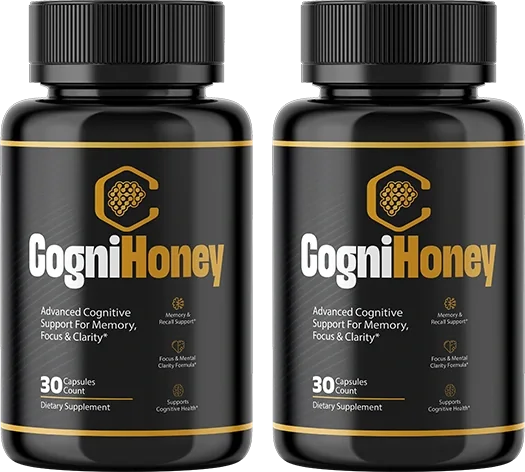
CogniHoney capsules: 30 on the bottle count2, 3 or 6 bottles · 60-day guarantee per seller materials
See packsIngredient06
Who should ask before taking a capsule with ginkgo?
Anyone on a blood thinner, anyone with surgery planned, and anyone pregnant or trying to be.
- You take warfarin, another anticoagulant or aspirin.
- An operation or dental procedure is on the calendar.
- You are pregnant or trying to become pregnant.
- You take other medicines. NCCIH says ginkgo may interact with them.
Ask the prescriber or pharmacist before starting, not after. Do not stop a blood thinner on your own to make room for a supplement.
Ingredient07
What bleeding signs should you watch for?
Unusual bruising, nosebleeds, blood in urine or stool, or heavy bleeding.
If any of these appear, stop the capsules and call your doctor. Call 911 for sudden face drooping, arm weakness, speech trouble, confusion or a severe headache (CDC, Stroke Signs and Symptoms). This is about knowing the signs, not a claim that ginkgo causes strokes; we found no source that says so.
Ingredient08
What should you ask your pharmacist or doctor?
- I take a blood thinner or aspirin. Is ginkgo safe?
- I have surgery planned. When should I stop?
- Am I pregnant or trying to be?
- Is a plain powder in a capsule comparable to the trial extract?
See medicine safety for the combined list.
FAQ09
CogniHoney questions people ask
Does ginkgo prevent dementia?
The GEM trial found no reduction in dementia in 3,069 adults aged 75 or older.
Is ginkgo a blood thinner?
No, but NCCIH says it may raise bleeding risk with anticoagulants.
What dose of ginkgo was tested in GEM?
120 mg of a standardized extract twice a day. CogniHoney prints no amount.
Is ginkgo powder the same as ginkgo extract?
No. Trials used a standardized extract, so results should not be read across to a plain powder.
What are the side effects of ginkgo?
NCCIH lists dizziness, stomach problems and headache. Fresh seeds are toxic.
Should I stop ginkgo before surgery?
Ask your surgical team. Tell them early, as NCCIH advises.
Is ginkgo safe in pregnancy?
NCCIH says it is possibly unsafe in pregnancy. Ask a physician before taking it.
Who wrote this10
Written and reviewed by
Pages built from the label, the seller checkout and linked NIH, FDA, FTC, CDC and peer-reviewed sources.
Last updated . Read our editorial standards and how we check reviews. This website is the information site for a U.S. authorized retailer of CogniHoney. It is not the manufacturer. We earn money when you buy through our order links.
Keep reading
More about CogniHoney
USA Authorized CogniHoney Retailer
Ready to look at CogniHoney?
Read the bottle you receive, check your medicines with a pharmacist (blood thinners, thyroid, statins and diabetes medicines matter here), then pick a pack. The guarantee is 60 days per the seller's materials; confirm the live wording at checkout.
- Checkout on the sales site
- 60-day guarantee (confirm live)
- Ships from the U.S.